Why Our Equipment
GOTEC equipment is purpose-built for the demanding conditions of maritime and customs environments, where salt spray, heavy vibration, and variable lighting are daily realities. Every instrument we produce is engineered to deliver consistent measurement accuracy under the harsh conditions that port operators and inspection agencies face at dockside, onboard vessels, and in remote inspection zones.
Our hardware integrates directly with digital customs platforms through API-ready data output, enabling real-time upload of draft readings, ballast measurements, and inspection imagery into the supervision systems that customs authorities rely on. This eliminates manual transcription errors and creates an auditable digital chain of custody from observation to customs declaration.
Field-tested with port operators and inspection agencies across multiple countries, our equipment has proven its reliability in thousands of real-world measurement cycles. From Southeast Asian container terminals to African trade corridors, GOTEC instruments deliver the rugged dependability that mission-critical customs workflows demand.
Product Lineup
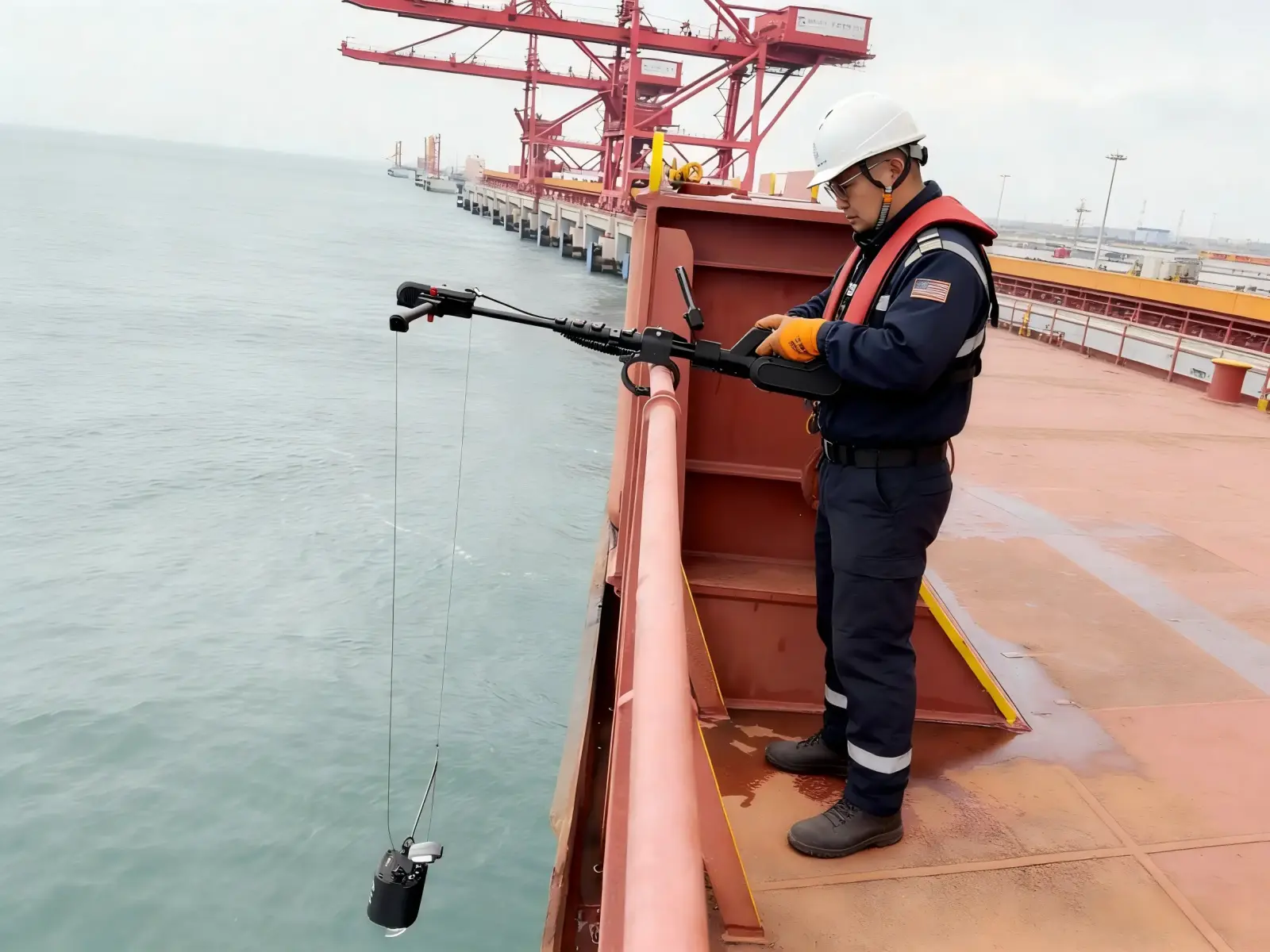
Ship Draft Observation Instrument
Eliminates the safety risks and inaccuracies of manual draft reading from small boats. Our machine-vision system captures 4K HD imagery with optical anti-shake stabilization, performs AI-powered waterline detection and scale recognition, then uploads results to cloud platforms in real time. Used by customs authorities for cargo weight verification, by marine surveyors for accurate draft surveys, and by port operators for bulk carrier loading oversight.
- 4K capture with optical anti-shake
- Remote pan-tilt control
- Supports 30m+ transmission
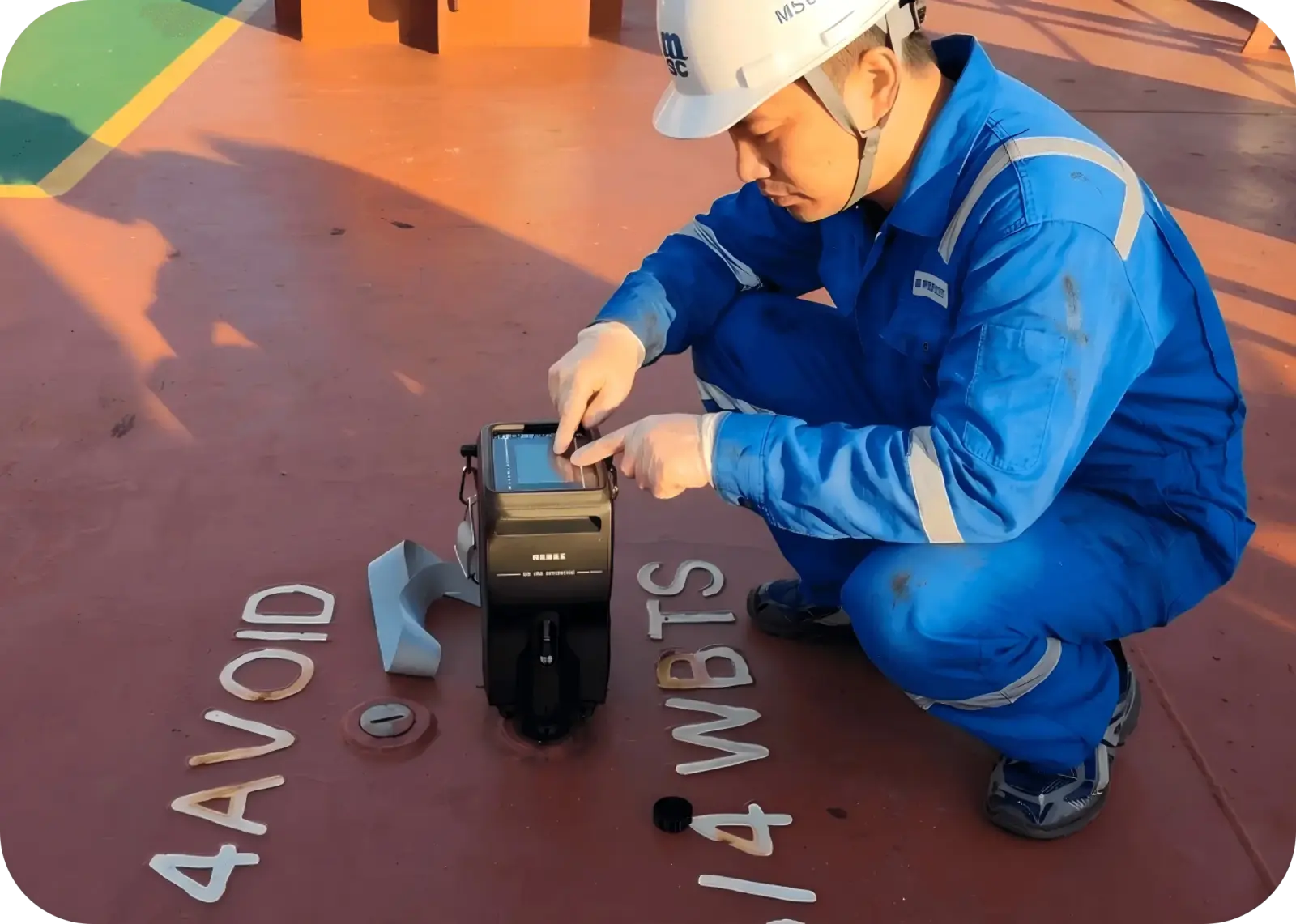
Ballast Water Level Meter
Solves the problem of slow, error-prone manual ballast tank measurement that delays vessel turnaround. This portable smart meter captures ballast water levels with ±5mm precision in a single-tank workflow under 30 seconds, automatically storing timestamped readings locally (10,000+ record capacity) and syncing to inspection platforms. Trusted by marine surveyors conducting ballast condition checks, customs inspectors verifying declared ballast volumes, and ship operators managing trim and stability calculations.
- ±5mm precision sensing
- Fast single-tank workflow
- 10,000+ local records
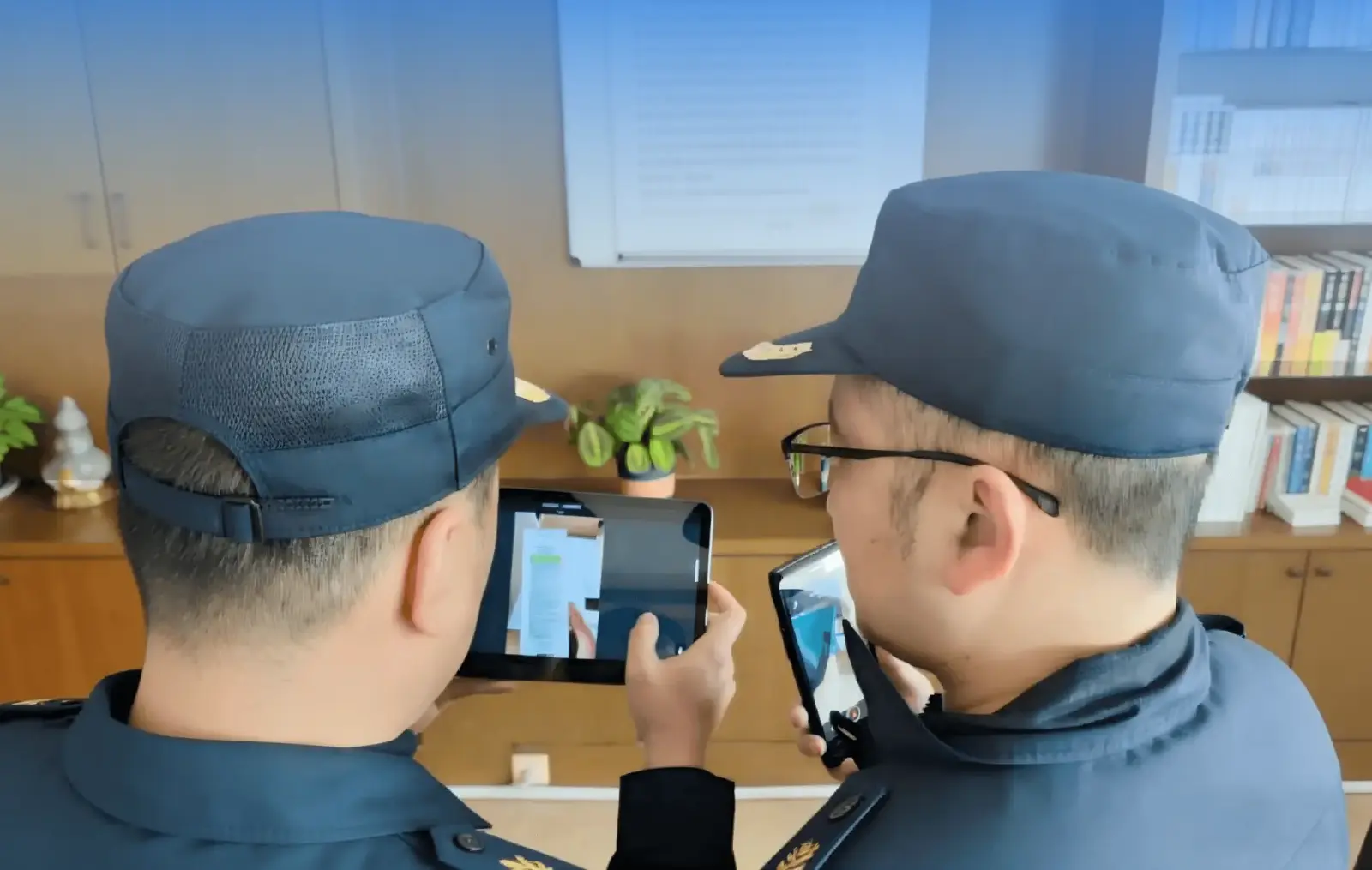
Remote Inspection Platform
Addresses the challenge of conducting thorough cargo inspections when physical presence is costly or impractical. This tele-quarantine terminal combines low-latency HD video collaboration, infrared temperature screening, file sharing, and real-time annotation tools into a single endpoint. Deployed by customs authorities for remote container inspections, by quarantine agencies for health screening at border crossings, and by port operators coordinating multi-party cargo surveys without requiring all stakeholders on-site.
- Low-latency video collaboration
- File and image sharing
- Network enhancement option